D.O.C. Doculine No. 003 · The film and the interviews, place by place
Dane Cook:Funny Money, Extended View
Sign your own checks.
Follow Dane Cook from a porch in Arlington to the Boston Garden, Madison Square Garden, and the arenas he rented himself after his brother took his money, then on past the film to what he has told since. Press Watch and the map flies to each place as the story is told, with a lesson for your own act at every stop.
The openingThe first setThe bombThe road movieThe one that got awayThe big breakThe brothersThe montageThe rock showThe breakthroughThe dream come trueThe homecomingThe peakThe heistThe treasure huntThe comebackThe courtroomThe post-credits sceneThe epilogue
1972Arlington Heights0:00 / 16:48
The opening
The first set
The bomb
The road movie
The one that got away
The big break
The brothers
The montage
The rock show
The breakthrough
The dream come true
The homecoming
The peak
The heist
The treasure hunt
The comeback
The courtroom
The post-credits scene
The epilogue
Dane Cook's life story, in short
Dane Cook was born in Massachusetts in 1972 and grew up in Arlington. He did his first open mic at Catch a Rising Star in Cambridge in 1990, bombed with his improv group in front of fifteen thousand people at the old Boston Garden in 1992, and walked away from a Saturday Night Live audition in 1995. In Los Angeles he filled the Laugh Factory with his own fans, built one of the first big comedy audiences online, and sold albums by the hundred thousand: Retaliation entered the Billboard 200 at number four in 2005. He hosted Saturday Night Live twice, taped Vicious Circle in the round at Boston's arena in 2006, and played Madison Square Garden. In 2008 he found that his half-brother and business manager, Darryl McCauley, had taken millions; McCauley pleaded guilty in 2010 and was ordered to repay twelve million dollars. Cook rented about eighty arenas himself to start again, and in 2026 told the whole story in the film Funny Money. After the film he said he had offered to forgive the debt if his brother would talk with him on camera, and that his brother, after first saying yes through the lawyers, changed his mind.
Every stop on the map
1972Arlington Heights, Arlington, MassachusettsThe opening
Arlington Heights
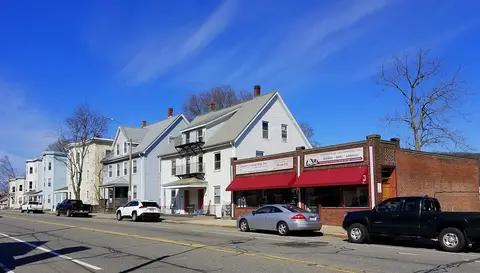
Dane Cook was born in Massachusetts on March 18, 1972, and grew up in Arlington, in the part of town called the Heights: a pharmacy, a sub shop, and a pizza parlor. He thought the family was lower middle class. Years later, he jokes, he found out they were upper poor. His mother, Donna, was his compass. Her children from her first marriage, Darryl and Kelly, were older, and Courtney was his little sister. Late in the 1970s, from a porch on School Street, he called down the street to Darryl to come and play ball, and Darryl said yes. On Saturday nights he could see other televisions flickering in the windows, and he pictured the whole street laughing at the same moments. From junior high he stockpiled ideas, and he told his mother that if she backed him, he would not take it halfway.
Take it to the stage
Start the notebook now. Ideas you stockpile early will be thin, but the true pieces in them are where an act begins.
1990Catch a Rising Star, 30 John F. Kennedy Street, CambridgeThe first set
Answering to another name
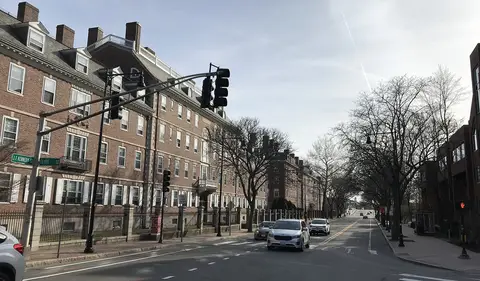
In 1990, just out of high school, he went to the open mic night at Catch a Rising Star, on JFK Street in Harvard Square. A comic on the list had not shown up. The host called the name Ernest Glenn, once, then twice, and on the third time Dane put his hand up. He walked into the light as Ernest Glenn and did his first set. Then he ran through Cambridge to a payphone and called his mother. He told her he was a stand-up comedian now, and he was hungry to go again. Every comic in New England, the film says, was trying to get onto the same six good stages. The club is long gone from JFK Street.
Take it to the stage
At an open mic, be in the room and ready when a spot opens up. Have your five minutes in your head before you walk in the door.
1992The old Boston Garden (now The Hub on Causeway), BostonThe bomb
The biggest bomb
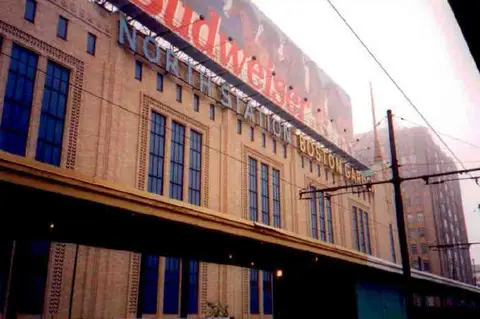
On a Friday night in October 1992, he was twenty and one of four in an improv group called Al and the Monkeys. They had won a local Boston comedy contest, and the prize was a spot on the Rock of Boston night at the old Boston Garden. They went on after the Spin Doctors, in front of fifteen thousand people waiting for Phish. In their bright shirts, he says, the crowd took them for an a cappella group. After about thirty seconds the room turned. Lighters and sandals came down on the stage, the whole arena sang them the goodbye song, and after a minute they ran. He calls it the biggest and worst bomb of his career. The old Garden closed in 1995 and was torn down in 1998. Where it stood, The Hub on Causeway stands now, beside today's arena.
Take it to the stage
Before you take a slot, ask who the crowd came to see. The right act in the wrong room still bombs, and an arena tells you fast.
1994Colleges and bars across New EnglandThe road movie
Not one hot dog
Boston's young comics were told the comedy boom was over, and that stand-up would be a sideline, not a living. He was young enough not to have a backup plan. About four years in, a college booked him into its campus bar, where the stage was the roof of a working hot dog stand and about twenty-five people were eating. Fifteen hot dogs came flying. He walked off saying he was quitting. Then he changed his mind: not one hot dog had hit him. The road paid less than the gas it took to get there. One night in Canada he said he was low on cash, and the crowd covered the stage in coins, about forty-eight dollars of them.
Take it to the stage
Count what actually hit you. A bad night is information about the room, not a verdict on whether you belong on the stage.
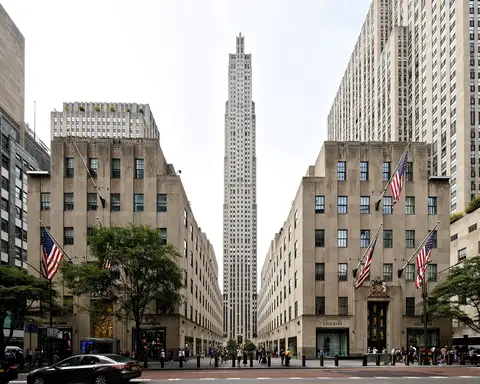
199530 Rockefeller Plaza, New YorkThe one that got away
The audition he walked away from
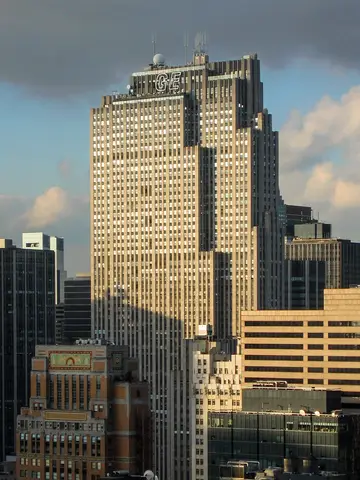
Saturday Night Live, the show he had watched through those flickering windows, wanted him. Adam Sandler had left in 1995, and the show was looking for that kind of energy. On the day of his audition he came to Rockefeller Plaza, sank low, and called his mother from a payphone. He could not go in. He was afraid he would be one of the players in the last slot of the show, on it and then off it. A couple of years later he was out on the road, making nothing, watching Jimmy Fallon on the show after bad gigs. He calls it one of his biggest missed chances, lost because he was not prepared. It also taught him something: having failed himself once, no bad set could ever take him out of the game.
Take it to the stage
Prepare before the call comes. When the big audition arrives, the only time left to get ready is the time you have already spent.
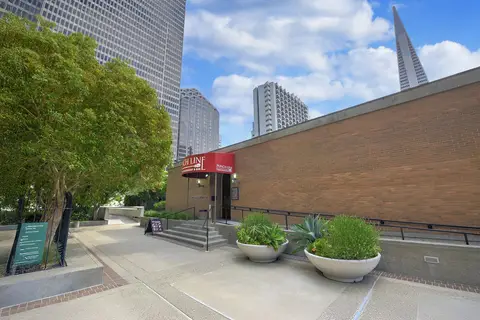
1995Punch Line, 444 Battery Street, San FranciscoThe big break
Discovered at the Punch Line
The road also took him to San Francisco and the Punch Line, on Battery Street. One night one of the producers of a new ABC sitcom saw his set. They wanted to add some energy to the show, and they gave him a part. Maybe This Time starred Marie Osmond and Betty White, and ran one season, from 1995 into 1996. The Punch Line is still open, a showroom of small tables in the Financial District, where comics still hope the right person is out there on the wrong night.
Take it to the stage
Do every set as if the person who can change your year is in the room. Some nights they are, and you will not know which.
His half-brother, Darryl McCauley, had wanted to be a state trooper. He did not pass the police academy's test, and in the mid-1990s he became a corrections officer at the maximum-security prison at Walpole. Dane, out on the road, called him most nights to keep him company. Neither of them had grown up with a steady father, and Dane wanted them to be that for each other. About a year into those calls, an inmate struck Darryl on the forehead with a sharpened can. Dane did not want his brother ever to go back. Darryl came to work for him full time and took care of the money. It lit a fire in Dane. Funny, he decided, was not good enough anymore. He had to be undeniable.
Take it to the stage
Know why you are doing this. A reason bigger than the next laugh will carry you through the years when nothing pays.
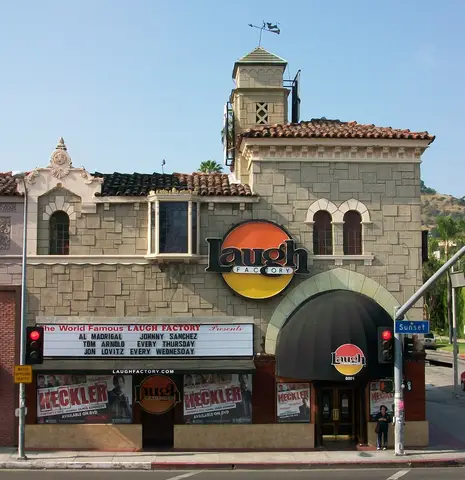
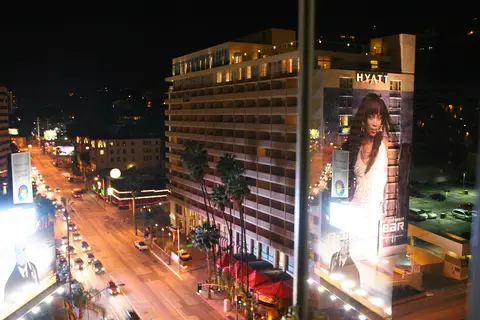
By 1997 he was living in Los Angeles, in an apartment in the LaFontaine building, never quite sure how the rent would get paid. One night he walked into the Laugh Factory on Sunset Boulevard. The comics were funny, but there was no one young in the room. He decided to stay a couple of months. Students from UCLA and the colleges nearby started coming to his sets, he got a few spots on Comedy Central, and three months later he was filling the Laugh Factory with his own fans. In 2000 Comedy Central, which had passed on him for years, gave him a half hour of his own. He says it aired twice a day, every day, and his college crowds grew from a few hundred to six, seven, eight thousand.
Take it to the stage
Bring the audience the room is missing. If every seat looks the same, fill the empty ones with your people, and the room will make space for you.
2001Dublin's, Sunset Boulevard, West HollywoodThe rock show
Rock and roll on Sunset
In the early 2000s comics met at Dublin's, a bar on Sunset Boulevard with a show upstairs. Jay Davis, who had started the night with Ahmed Ahmed, put Dane on last. Standing alone on the balcony over the front, he had a thought: this town was not built on comedy. It was built on rock and roll, from Motley Crue on back. So he stopped playing it like New York stand-up and played it like a rock show, with music in it, the energy of a concert, and the feeling that everyone wanted to know where we are all going after. He saw those nights as the next generation of stand-up, something new, not more of New York.
Take it to the stage
Read the town, not just the room. Ask what the city already loves, and shape your show so it feels like that kind of night out.
2003Online, everywhereThe breakthrough
The industry wants numbers
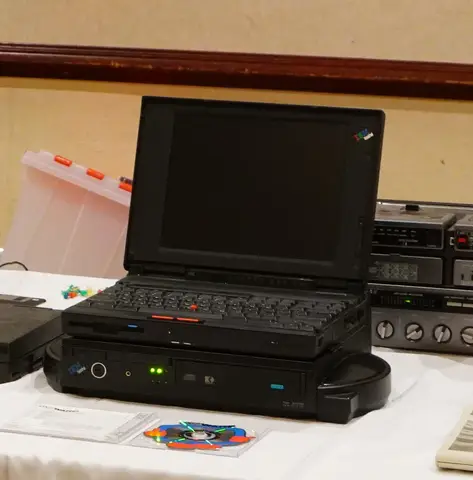
Casting had made it plain: the business did not really need him. So he built his own platform. He bought an IBM ThinkPad, one of the early laptops, and went looking for fans. He posted recordings of his act in online forums, cut clips for the file-sharing sites, and put up a weekly rant on his website every Friday. When MySpace came along he would sit up at two in the morning and type, anybody up? He wrote every fan back, by name and town, with forty chats open at once. The industry, he saw, was looking for numbers, and now he had them. He had sold his first album himself. In July 2003 Comedy Central Records put out Harmful If Swallowed. The label, he says, expected eight thousand copies in the first week. He says it sold ninety-two thousand, and it went platinum.
Take it to the stage
Answer the people who reach out. Every reply is a ticket you may sell later, and a fan who hears back brings a friend.
200530 Rockefeller Plaza, New YorkThe dream come true
Hosting
In July 2005 his second album, Retaliation, came in at number four on the Billboard 200, higher than any comedy album since Steve Martin's in the late 1970s. It went double platinum. Then, ten years after the audition he walked away from, Lorne Michaels was on the phone: he was hosting Saturday Night Live. He did his first monologue on December 3, 2005, and hosted again on September 30, 2006. At the second show his family sat in the audience, and in the middle of the monologue he could hear his father laughing. Hosting, he says, was the one thing he had hoped for his whole career.
Take it to the stage
A door you once walked away from can open again. Keep the work going, so you are ready when it does.
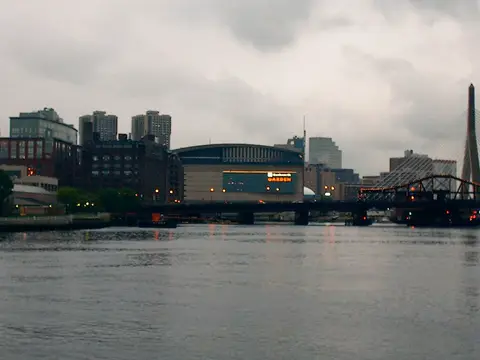
As a kid he had watched George Carlin's On Location, shot in the round. When HBO's president, Chris Albrecht, gave him his first HBO special, he asked for the same: an arena show in the round, in his hometown, directed by Marty Callner, who had shot Carlin's. His mother had been diagnosed with cancer and given months to live. This is your moment, she told him, so focus on it. On April 15, 2006, he walked out to a stage in the middle of the TD Banknorth Garden for two sold-out shows, nineteen thousand people each, he says. Walking out, he remembered her words: embrace that which defines you. Beside the arena lay the site of the old Garden, where fourteen years earlier he had been sung off the stage. He calls this spot the very center of his life and career. HBO aired Vicious Circle that September, and he took the tape to his mother in Delray Beach.
Take it to the stage
Choose the stage that means something to you. A room with your history in it raises the stakes, and the crowd can feel it.
2006Madison Square Garden, New YorkThe peak
Madison Square Garden
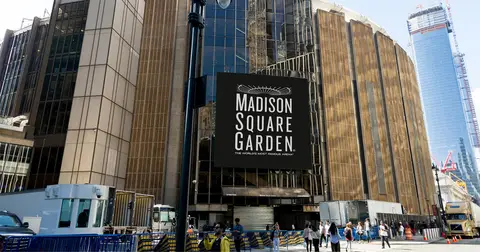
Seven months later, on November 12, 2006, he played Madison Square Garden and taped Rough Around the Edges there, released the next year. More than two hundred arenas followed the special, and now the offers came to him. Hollywood called too: Employee of the Month, Good Luck Chuck, Dan in Real Life, and a thriller beside Kevin Costner. That same year his mother died of colon cancer. Her dying wish was that the four of them be there for each other. Days later his father told him that he had cancer too, and he died within months. For nine months, he says, nothing felt worth it.
Take it to the stage
When the big run comes, keep doing the small things that got you there. The offers that come to you still need the act that earned them.
2008Bank of America, Santa Monica Boulevard and Crescent Heights, Los AngelesThe heist
Crumbs
When Darryl took over the money, the arrangement was simple: Darryl paid the bills, Dane signed what he was handed, and now and then he got a single page listing what he had spent, never the bank's own statements. Darryl was raised from one hundred twenty-five thousand to one hundred fifty thousand dollars a year, and he held power of attorney. Dane signed it, he says, on a film set in Rhode Island, four weeks before Madison Square Garden, exhausted, when Darryl brought him a stack of papers and told him he did not need to read any of it. That arrangement is what Dane's one piece of advice in the film is about: sign your own checks. In 2008 Dane moved his business to a firm in Los Angeles and asked Darryl to send the files. They never came. Darryl's last message ended with three words: to the future. One morning Dane sat up and said out loud that he thought his brother had stolen all his money. He ran down to the Bank of America at Santa Monica Boulevard and Crescent Heights. After earning what he believed was tens of millions of dollars, one account showed about a hundred and eleven thousand. Another showed nothing. The first check his new accountants showed him was made out to Darryl, for three million dollars. About six million dollars in taxes had gone unpaid. At the end of December, Darryl was arrested in Massachusetts.
Take it to the stage
Sign your own checks. Read the bank's own statements every month, keep your own login, and never let one person both move the money and report on it.
2008York Beach, Maine, and the other places the cash was hiddenThe treasure hunt
Money in the sauce
Days after the bank, Darryl left him a voicemail, frightened, asking what Dane had done to him. Dane's first thought, he says, was to save it: someday he would use it. He says the director heard it and called it the opening. It had gone a little at a time, he says, and then a lot: withdrawals of twenty thousand dollars became withdrawals of fifty thousand, and wires of a hundred thousand. Then the cash began turning up. The night Darryl was arrested, police searched the couple's condo at York Beach, Maine. Behind a picture on the wall was a safe, and in it just over eight hundred thousand dollars in hundred-dollar bills, counted in stacks on the kitchen table. The searches went on. They found bricks of cash in about twenty containers of spaghetti sauce in a freezer, ninety thousand dollars in a Bagel Bites box, money on a string down a heat vent, under the attic insulation, behind a bathroom tile and behind the bathtub, and a hundred fifty thousand dollars under the dirt of a potted plant. In Florida, Erika brought four hundred thousand dollars in a vacuum bag to a cousin who was working with the police. Dane counts about fifteen hiding places, some of the cash wrapped in his own tour merchandise. In all, he says, more than a million dollars of it came back to him. A fan wrote to him: you found money in the sauce, I hope you make back every penne. He says he'll never eat spaghetti again.
Take it to the stage
Watch how the cash leaves. Withdrawals that grow from twenty thousand to fifty, and wires of a hundred thousand, are how it went here. Ask your bank to tell you of any over a limit you set.
2009Arenas across North AmericaThe comeback
Starting over
Two nights after the worst day, he was on stage doing a show. What was left was some stock his brother could not reach, about three hundred forty thousand dollars, his business managers told him. He used it to go back out on his own. He called arenas himself and found that with no game on, an arena is just a hall: rent it like an Elks lodge, cover the insurance, and the door and the merchandise are yours. Month to month, he says, he doubled his money. Partners came in, and by the end of the year he had played some eighty dates, paying the IRS as he went. By the time he saw his brother in court, he says, he had made back what was taken. The big promoters, he says, later bought into the arenas so no comic could do it that way again. Still, comics rent their own rooms now.
Take it to the stage
Price the room yourself. Call the venue, ask what it costs on an off night, and work out what you keep before anyone else takes a cut.
2010Middlesex Superior Court, Woburn, MassachusettsThe courtroom
To the future
In October 2010 Darryl McCauley pleaded guilty to twenty-seven counts of larceny, along with forgery and embezzlement, and was sentenced to five to six years in state prison, then ten years of probation. His wife, Erika, was sentenced to two and a half to three years. In December the two were ordered to pay Dane twelve million dollars. Dane read a letter to the court and asked for one thing: not to be called a victim. Darryl read a letter too, and Dane walked out rather than hear it. In it, Darryl wrote that he had become intoxicated by the lifestyle and the money his brother's success brought in, and had wrongfully felt entitled to it. Erika says he told her it began as a way to cover some bills, then got out of hand, and he would say no more. Dane has come to believe it was envy: when Dane said he would do something, he did it, and his brother could not. The first prison Darryl went to was the one at Walpole, the one Dane had taken him out of. Years later, at a hearing, the court heard that three thousand nine hundred dollars had been repaid. About three million, Dane says, was never found. For a year he went to therapy, and in 2011, for the only time in his life, he took a year off from the clubs.
Take it to the stage
Put your agreements in writing and keep the copies. When something goes wrong, paper is what a court, a bank, or a new manager can act on.
2026His interviews after the film, September to November 2026The post-credits scene
After the film
In 2026 the story became a film, Funny Money: The Dane Cook Story. It opened as a rental with no marketing, and he says it sat at number one for about a month before it went to Netflix on November 6. The film ends there. The story did not. In the interviews after it came out, Dane filled in what it left out. He had offered his brother a deal: sit down with him on camera, and he would forgive the twelve million dollars in restitution and the writ of execution he still holds. Through the lawyers, Darryl at one point said he would do it, for family healing, and then changed his mind. Erika took the same kind of offer, one day in front of the camera, and at the premiere Dane pointed at her on the screen and called it priceless. Since the film, he says, there has been no contact. Why let the debt go? Holding a writ over someone, he says, is a kind of control, and in therapy he decided he did not want that control anymore. A sit-down, he says, is still not out of the question. What still gets to him is their sister Courtney, who has never heard from Darryl. And he has found the one email the film could not show: the one he wrote to Darryl the night before the reply that said, to the future. He says he will read it in a follow-up.
Take it to the stage
When a partnership ends badly, put your terms in writing, through a lawyer. A clear offer can still get you the one thing you want.
2026Middlesex Superior Court, Woburn, Massachusetts, where the case's evidence wentThe post-credits scene
The hard drive
The case's evidence went into a locker at Middlesex Superior Court. Years ago, someone connected with the case handed Dane a hard drive from it, and he put it in a box. This fall, with the film done, he plugged it in at two in the morning. On it were every text and email on Darryl's and Erika's phones, 2008 into 2009, filmed off the screens by a detective. For the first time Dane could lay his own emails beside theirs. Darryl would write him that everything was good, and lay out the plan, step by step. At two minutes past four one afternoon, Darryl wrote him just that. Three minutes later he wrote Erika: he thinks we're going there. I did it. He's now misled again. The there, as Dane reads it, was the plan Darryl had just sold him. Minute by minute, he says, his brother went from answering him as a brother to telling her what they could do next. In the film Erika can look like the one in charge. The emails, Dane says, show Darryl was the brains of it too, and that the two of them kept secrets from each other as well. Some of the story the film never showed. During the investigation, Dane says, the state police called him at home and sent him the pictures as they found the money. A longer scene, of the crew digging in the mud behind Darryl's house for buried cash, was cut. The audit reached back only twelve years, and he believes the taking ran the whole time. He knows a little, he says, about what his brother has done in the last few months, and he is not ready to share it yet. That, he says, is going to be another documentary. He has been offered a companion piece, and is meeting a company that wants to turn his story into a scripted series. Forgiveness, he says, needs a truth first, and he has one question for his brother: when did it start?
Take it to the stage
Keep every record of your business, and open them. A file you put in a box can still tell you what happened, years later.
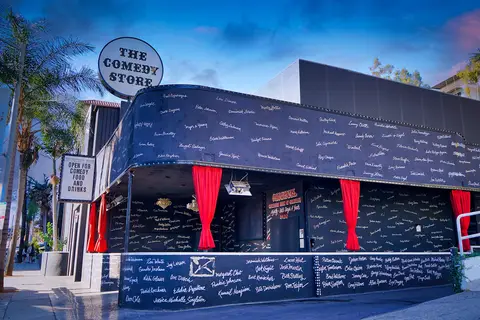
2026The Comedy Store, 8433 Sunset Boulevard, West HollywoodThe epilogue
Still on Sunset
This year he has stayed mostly off the road to talk about the film. He still works the room. Howie Mandel sees him at the Comedy Store, and he builds his next special the way he always has: one twenty-minute piece for a whole year, taken apart on a slow night in front of a few people, pushed further on a great night at the Store or the Improv. On weeknights his fans know he is trying things. Next, he says, comes a big tour and a new special, which has no home yet. He has also finished a book, he says, about breaking through on the internet early and the road years with the comics he came up with, Patrice O'Neal, Bill Burr and Dave Chappelle among them. He still wakes up, he says, the way he did when he started: enthusiastic, and perpetually curious.
Take it to the stage
Work one piece all year. Take it apart on the slow nights, push it on the good ones, and let the repetition tell you what your next hour is.