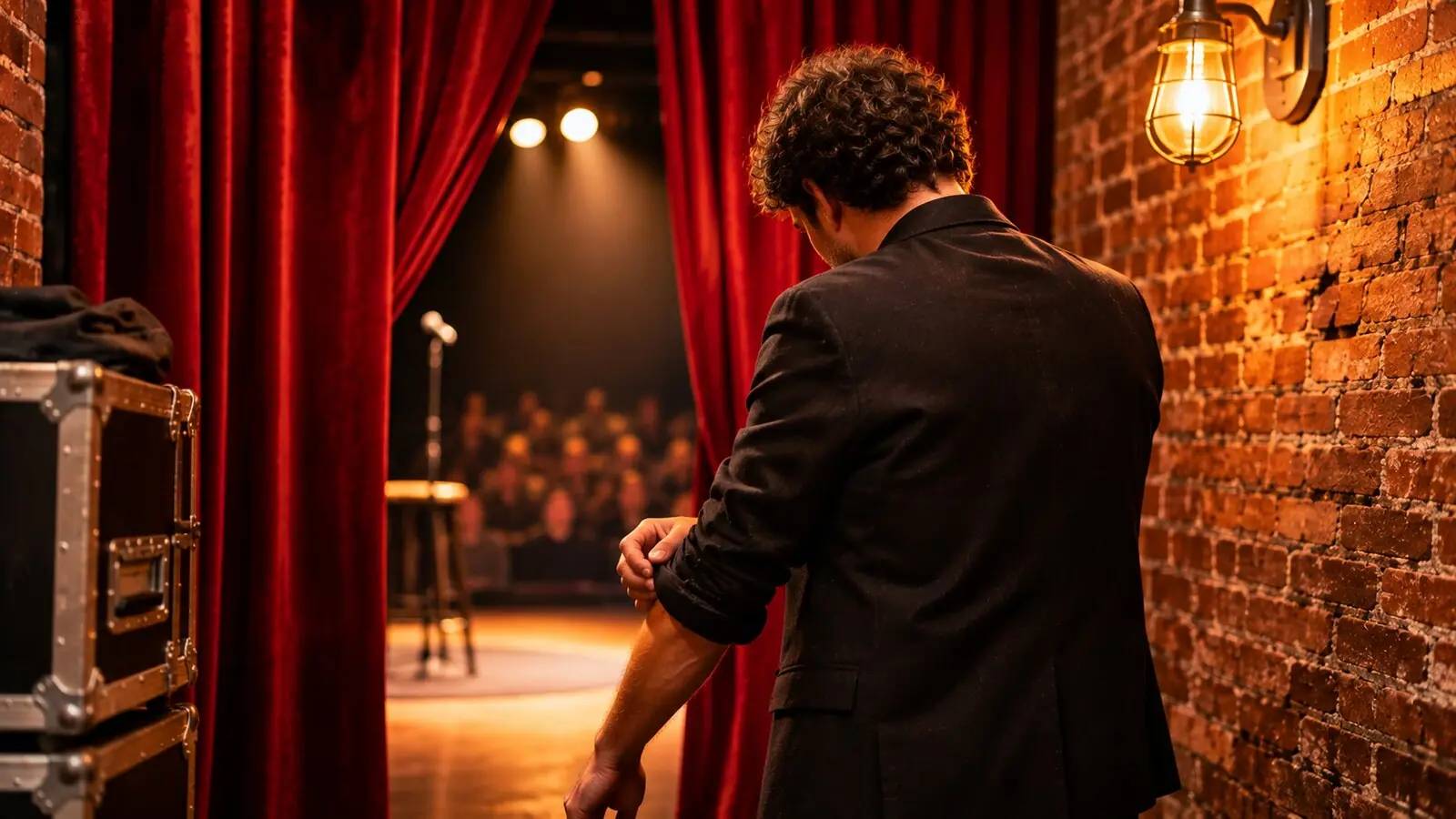
Not Funny: what comedy's hard cases teach a working comic
When the laughter stops, the learning starts.
17 cases, 17 lessons
A lawsuit is not a verdict. A bad joke is not a crime. A health crisis is not misconduct, and a comic attacked on stage is not the one who owes an answer. These seventeen cases come from stand-up's hardest moments: courtrooms, firings, free-speech fights, crashes and recoveries. Each says what the record shows, what it doesn't, and the lesson a working comic can take from it.
Every case is told from its sources: court records, official statements, the comic's own words and established news reporting, each linked. Legal status is given as of the date each case was checked.
Not every trouble is the same trouble
The cases, by subject
Each leads to its case below: what happened, what the record shows and doesn't, the lesson for comics, and the sources.
Speech and the stage 5
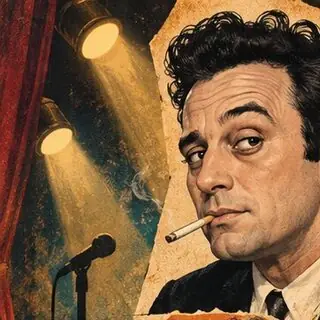
- Lenny BruceProsecuted for his act; pardoned1964–2003
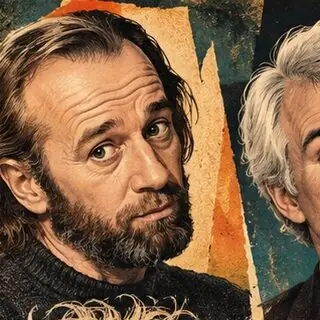
- George CarlinSupreme Court case: FCC v. Pacifica1973–1978
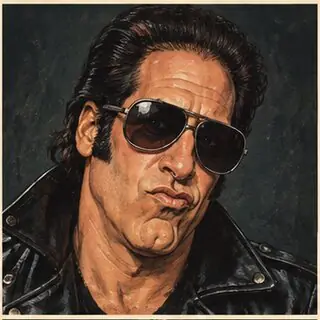
- Andrew Dice ClayA network's programming decision1989–1990
- Dave ChappelleA public dispute over a special2021
- Daniel ToshA disputed account; a public apology2012
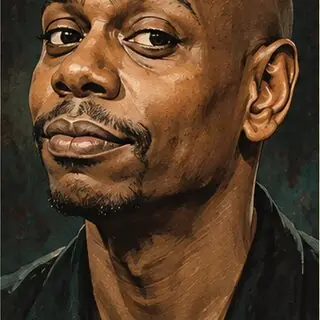
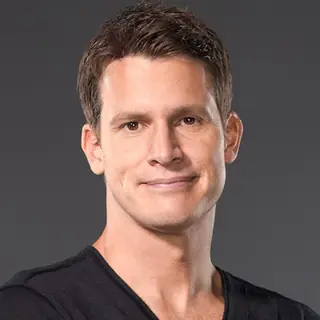
Reputation and careers 4
- Michael RichardsA recorded outburst; public apologies2006
- Roseanne BarrAn employer's decision after a post2018
- Shane GillisFired, then invited back to host2019–2025
- Gilbert GottfriedA sponsor's decision2011
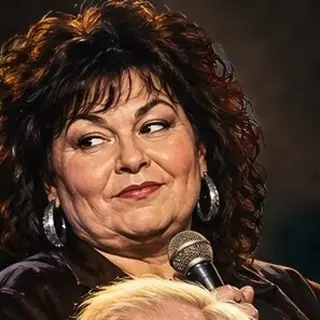
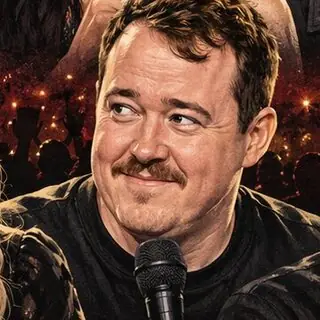
Conduct and accountability 4
- Louis C.K.Admitted misconduct2017
- Aziz AnsariA disputed account; his response2018–2019
- Bill CosbyCivil liability; criminal conviction vacated2018–2026
- Russell BrandCriminal conviction2026
Safety on stage and on the road 2
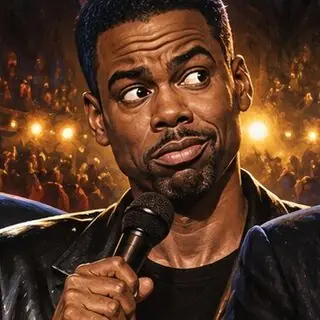
- Chris RockA performer attacked on stage2022–2023
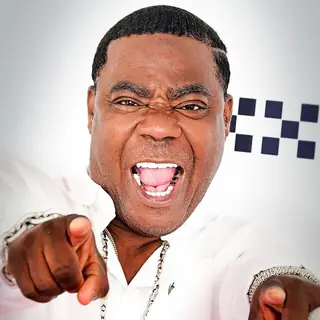
- Tracy MorganInjured on the road2014–2015
Health and recovery 2
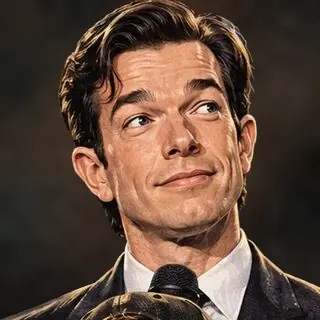
- John MulaneyHis own recovery story2020–2024
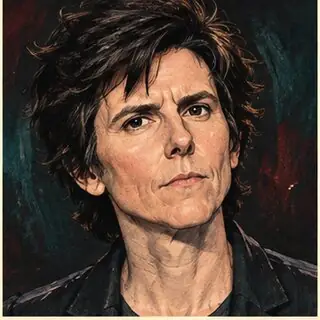
- Tig NotaroHer own diagnosis, on stage2012
Case 1 of 17 · Speech and the stage · 1964–2003
Lenny Bruce: when the state prosecuted a stand-up act
Prosecuted for his act; pardonedIn 1964, after a six-month trial, a New York court convicted Lenny Bruce of giving an obscene performance at the Cafe Au Go Go in Greenwich Village; undercover police officers had watched the show and testified against him. He died in 1966. On 23 December 2003, Governor George Pataki granted him New York's first posthumous pardon, calling it a declaration of the state's commitment to the First Amendment.
Know where the law draws its lines on stage speech, and tell the state's censorship apart from a club's own rules: one is a free-speech fight, the other is a booking decision.
What the record shows
The pardon and the governor's reasons are in the Associated Press report of the day. The First Amendment Encyclopedia sets out his other obscenity cases, among them the 1964 Illinois Supreme Court ruling that his routine was social commentary, not obscenity.12
What it doesn't show
An obscenity prosecution over an act is a case about speech, not about harm done to another person.
How it unfolded
- 1964Convicted in New York of giving an obscene performance.1
- 1966Died, the conviction still standing.1
- 23 December 2003Pardoned by Governor George Pataki, New York's first posthumous pardon.1
Comics' fights in court shaped what every comedian can say on stage today.
Give performers clear, accurate information about the venue's own policies before the show.
Sources
- CBS News (Associated Press): Lenny Bruce pardoned, 23 December 2003 ↗ consulted 12 November 2026
- The First Amendment Encyclopedia, Middle Tennessee State University: Lenny Bruce ↗ consulted 12 November 2026
Case 2 of 17 · Speech and the stage · 1973–1978
George Carlin: seven words and the rules of broadcasting
Supreme Court case: FCC v. PacificaAt about two in the afternoon on 30 October 1973, the New York radio station WBAI aired George Carlin's recorded monologue "Filthy Words". A listener's complaint reached the Federal Communications Commission, and in 1978 the Supreme Court held in FCC v. Pacifica Foundation that the Commission could regulate indecent material on the air.
The medium sets the rules. A set that kills in a club may not be cleared for radio, television or a platform's terms; know the standards before the taping, not after.
What the record shows
The Court's opinion sets out the broadcast, the complaint and the ruling. The case was against the station's owner, the Pacifica Foundation; Carlin was not a party to it.12
What it doesn't show
This is a ruling about broadcasting, not live performance: a routine that is lawful in a club can still fall under the rules of the airwaves.
How it unfolded
- 30 October 1973WBAI broadcast the monologue in the afternoon.1
- 1978The Supreme Court decided FCC v. Pacifica Foundation.12
Free speech and the rules of broadcasting are separate legal questions.
Know the venue's policy, the broadcaster's standards and the platform agreement before any recorded show.
Sources
- FCC v. Pacifica Foundation, 438 U.S. 726 (1978): the opinion, Cornell Legal Information Institute ↗ consulted 12 November 2026
- United States Reports, volume 438, page 726 (PDF), Library of Congress ↗ consulted 12 November 2026
Case 3 of 17 · Speech and the stage · 1989–1990
Andrew Dice Clay: what a network ban does and doesn't mean
A network's programming decisionAfter Andrew Dice Clay filled his live performance at the MTV Video Music Awards in September 1989 with obscenities, MTV said it would not feature him again. In May 1990 the channel was still willing to run paid advertising for his film The Adventures of Ford Fairlane, a split 20th Century Fox's marketing president called stubborn and hypocritical.
Know the content limits of every stage before you step on it: a live awards broadcast, a contracted appearance and a club set each come with their own terms.
What the record shows
The Los Angeles Times reported MTV's stated policy, the line it drew between its own programming and paid advertising, and the studio's objection.1
What it doesn't show
A private network choosing whom to book is not a government ban, and not a punishment.
How it unfolded
- September 1989The obscenity-filled set at the MTV Video Music Awards.1
- May 1990MTV's policy, and its exception for advertising, reported.1
A network choosing not to book an act is not the state censoring it.
Put standards, and any exceptions to them, in writing; rules applied unevenly are hard to defend.
Sources
- Los Angeles Times: MTV's ban on Andrew Dice Clay and the Ford Fairlane ads, 27 May 1990 ↗ consulted 12 November 2026
Case 4 of 17 · Speech and the stage · 2021
Dave Chappelle: artistic choice, staff objections and public debate
A public dispute over a specialDave Chappelle's Netflix special The Closer drew criticism for its remarks about transgender people. On 20 October 2021, Netflix employees and their supporters held a planned walkout in Los Angeles to object to the special and to the company's handling of it; supporters of the special came out too.
Know who a joke is aimed at and what it lands on. Material that punches at a group with less power can become the whole story, whatever the laugh in the room.
What the record shows
The Associated Press reported the walkout and both sides that gathered outside Netflix's offices.1
What it doesn't show
A protest is a disagreement over expression. It is not a legal finding of any kind.
How it unfolded
- October 2021Netflix released The Closer.1
- 20 October 2021The employee walkout, with critics and supporters of the special outside.1
The right to perform and the right to criticize can stand side by side.
Set expectations for programming and for how staff raise objections, without treating disagreement as misconduct.
Sources
- PBS NewsHour (Associated Press): the Netflix walkout, 20 October 2021 ↗ consulted 12 November 2026
Case 5 of 17 · Speech and the stage · 2012
Daniel Tosh: when an audience member becomes the subject
A disputed account; a public apologyIn July 2012, an audience member's detailed account of an exchange with Daniel Tosh during his set at the Laugh Factory was posted online and spread widely. On 10 July Tosh apologized on Twitter, while objecting to what he called out-of-context misquotes.
Crowd work puts a real person on the spot. Read the room, and stop before the person you've singled out feels threatened rather than included.
What it doesn't show
The exact words of the exchange are disputed, and neither source settles them.
How it unfolded
- July 2012The account of the set posted online.2
- 10 July 2012Tosh apologized on Twitter, disputing the quotes.1
When a story rests on competing memories, the most dramatic quote isn't the fact.
Keep a complaints process and notes made at the time, and look into a complaint without assuming either side is right.
Sources
- CBS News: Daniel Tosh apologizes, 12 July 2012 ↗ consulted 12 November 2026
- TVWeek: the comedian's apology and the account behind it, 11 July 2012 ↗ consulted 12 November 2026
Case 6 of 17 · Reputation and careers · 2006
Michael Richards: when a response to hecklers does lasting damage
A recorded outburst; public apologiesIn November 2006, video of Michael Richards' racist tirade at hecklers in the balcony during his set at the Laugh Factory in West Hollywood was posted online. He apologized that week on the Late Show with David Letterman, and again days later on the Rev. Jesse Jackson's radio program, where he said he was shattered by what he had said.
Have a plan for hecklers and a point where you stop. Anger isn't stagecraft, and a lost temper can become the only thing anyone remembers of a career's work.
What it doesn't show
This is about a recorded performance and what it cost him professionally, not a crime.
How it unfolded
- November 2006Video of the set posted online.1
- 20 November 2006Apologized on the Late Show with David Letterman.1
- Late November 2006Apologized again on Jesse Jackson's radio program.2
A heckler's behavior and a performer's response are judged separately; the recorded words are the record.
Set clear expectations for performers and audiences, and know how staff step in before a confrontation grows.
Sources
- ABC News: Richards apologizes on the Late Show, 21 November 2006 ↗ consulted 12 November 2026
- Los Angeles Times: Michael Richards apologizes on Jesse Jackson's show, 27 November 2006 ↗ consulted 12 November 2026
Case 7 of 17 · Reputation and careers · 2018
Roseanne Barr: the cost of one public post
An employer's decision after a postOn 29 May 2018, ABC canceled its revival of Roseanne hours after Roseanne Barr posted a racist tweet about Valerie Jarrett, a White House adviser under President Barack Obama. Barr deleted the tweet and apologized, and her talent agency, ICM Partners, dropped her.
Your posts are part of your act in public. One post can end a show for its whole cast and crew, people who had no say in what you wrote.
What the record shows
MPR News, carrying the Associated Press, and PBS NewsHour reported the tweet, the apology, the cancellation and the agency's decision.12
What it doesn't show
This is about employment and public speech, not a criminal matter.
How it unfolded
- 29 May 2018The tweet; Barr deleted it and apologized.1
- 29 May 2018ABC canceled the revival; her agency dropped her.12
Offensive speech and an employer's decision about it are not questions of crime.
Write conduct and social-media terms into agreements, and apply them the same way to everyone.
Sources
- MPR News (Associated Press): ABC cancels Roseanne, 29 May 2018 ↗ consulted 12 November 2026
- PBS NewsHour: ABC cancels Roseanne, 29 May 2018 ↗ consulted 12 November 2026
Case 8 of 17 · Reputation and careers · 2019–2025
Shane Gillis: a firing that didn't end a career
Fired, then invited back to hostSaturday Night Live dropped Shane Gillis from its cast in 2019 over offensive comments. Five years later he hosted the show, on 24 February 2024, and told the audience in his monologue not to look up why he had been fired. In February 2025 the show announced him as host for a second time, for 1 March.
Old material stays online. Know what your early work says, own it in public, and make your current voice unmistakable.
What the record shows
The Washington Post reported the 2024 monologue and the 2019 firing; the Associated Press reported the second booking.12
What it doesn't show
A return to the show doesn't mean every critic changed their view.
How it unfolded
- 2019Dropped from the cast over offensive comments.1
- 24 February 2024Hosted Saturday Night Live.1
- February 2025Announced as host for a second time, on 1 March 2025.2
Judge a career across its whole length, not by its worst headline or its latest win.
Weigh what was actually said, and in what context, not only the size of the reaction.
Sources
- The Washington Post: Shane Gillis's SNL monologue, 25 February 2024 ↗ consulted 12 November 2026
- Associated Press: the next Saturday Night Live hosts, 18 February 2025 ↗ consulted 12 November 2026
Case 9 of 17 · Reputation and careers · 2011
Gilbert Gottfried: dark jokes meet a sponsor's obligations
A sponsor's decisionIn March 2011, Aflac fired Gilbert Gottfried as the U.S. voice of its duck after he posted mocking jokes on Twitter about the earthquake and tsunami in Japan. The insurer does 75 percent of its business in Japan, and said the jokes did not represent the company.
Your stand-up voice and an endorsement are two different jobs. A spokesman's contract carries the sponsor's obligations, and one post can break it.
What the record shows
The Associated Press reported Aflac's statement and its business in Japan.1
What it doesn't show
This was a sponsor ending a contract, not a ruling that the jokes were unlawful.
How it unfolded
- March 2011The jokes posted over a weekend, days after the disaster.1
- 14 March 2011Aflac announced it had fired him.1
A joke can be lawful and still clash with what an employer needs.
Spell out the expectations in a contract, and the difference between a club set and speaking for a brand.
Sources
- New Haven Register (Associated Press): Aflac fires Gilbert Gottfried, 15 March 2011 ↗ consulted 12 November 2026
Case 10 of 17 · Conduct and accountability · 2017
Louis C.K.: an admission, and the power behind it
Admitted misconductOn 9 November 2017, The New York Times published five women's accounts of sexual misconduct by Louis C.K. The next day he said in a statement, "These stories are true." The release of his film I Love You, Daddy was called off, Netflix canceled a planned special, and FX ended its work with him.
When one comic controls another's access to work, a spot, a tour or a credit, a request is never just a request. Power changes what yes means.
What the record shows
Reuters and The Washington Post reported the accounts, his statement and the companies' decisions.12
What it doesn't show
This is an admitted account, not a criminal conviction.
How it unfolded
- 9 November 2017The New York Times published the women's accounts.1
- 10 November 2017His statement: "These stories are true."12
- November 2017The film's release was called off, Netflix and FX cut ties.1
An honest record can hold both a comic's work and their conduct.
Protect auditions, greenrooms and after-show time with clear rules, and forbid retaliation against anyone who reports.
Sources
- Reuters, via Yahoo Finance: Louis C.K. admits sexual misconduct, 10 November 2017 ↗ consulted 12 November 2026
- The Washington Post: Louis C.K. responds, 10 November 2017 ↗ consulted 12 November 2026
Case 11 of 17 · Conduct and accountability · 2018–2019
Aziz Ansari: consent, discomfort and a public reckoning
A disputed account; his responseIn January 2018, a woman described a date with Aziz Ansari as sexual misconduct. He said he had believed the encounter was consensual, and that he had apologized when she told him of her discomfort. In February 2019 he spoke about it on stage, saying he had felt terrible that she felt that way.
Take it seriously when someone says they were uncomfortable. Professional ethics reach further than what could ever be proved in court.
What the record shows
The Associated Press reported her account, his statement and his comments at a 2019 show.12
What it doesn't show
There was no criminal charge and no court finding. The woman was not named in the reporting, and is not named here.
How it unfolded
- January 2018The account published; Ansari responded in a statement.1
- February 2019Spoke about it during a stand-up show.2
Accounts don't all carry the same legal weight, and a serious debate about consent doesn't need a court case to matter.
Handle allegations with care, protect everyone's privacy, and never announce a finding that doesn't exist.
Sources
- KSL (Associated Press): Ansari responds, 14 January 2018 ↗ consulted 12 November 2026
- KSL (Associated Press): Ansari addresses it at a stand-up show, 12 February 2019 ↗ consulted 12 November 2026
Case 12 of 17 · Conduct and accountability · 2018–2026
Bill Cosby: two legal outcomes, and why the difference matters
Civil liability; criminal conviction vacatedOn 30 June 2021, Pennsylvania's Supreme Court vacated Bill Cosby's 2018 criminal conviction and ordered him discharged, finding his due-process rights had been violated. Separately, on 23 March 2026, a civil jury in Santa Monica, California, found him liable for drugging and sexually assaulting a woman in 1972 and awarded her $59.25 million. His lawyer said they would appeal.
Know the difference between an accusation, a conviction, a reversal and a civil finding before you talk about any of them, on stage or online. The legal record has its own words, and they matter.
What the record shows
The Supreme Court of Pennsylvania's own opinion, and the Associated Press report of the civil verdict.12
What it doesn't show
A vacated conviction is not a conviction. A civil verdict rests on a different standard of proof from a criminal trial, and an appeal was announced.
How it unfolded
- 2018Convicted in Pennsylvania.1
- 30 June 2021Conviction vacated by the Supreme Court of Pennsylvania; discharged.1
- 23 March 2026Found liable by a civil jury in California; $59.25 million awarded.2
Criminal verdicts, reversals, civil findings and allegations are not interchangeable; read the actual outcome.
Don't decide on a headline. Keep a written decision process that tells legal outcomes apart, and apply it the same way every time.
Sources
- Supreme Court of Pennsylvania: Commonwealth v. Cosby, opinion of 30 June 2021 (PDF) ↗ consulted 12 November 2026
- Associated Press: the civil verdict, 23 March 2026 ↗ consulted 12 November 2026
Case 13 of 17 · Conduct and accountability · 2026
Russell Brand: a verdict, a sentence and an industry's responsibilities
Criminal convictionOn 5 November 2026, a jury in London convicted Russell Brand of one count of rape and three counts of sexual assault, committed against four women between 2004 and 2009. On 9 November, at Southwark Crown Court, he was sentenced to 10 years and six months in prison. The jury found him not guilty of the other allegations at the trial.
Fame is not consent. A successful career brings responsibility toward the people with less power around it, never an exception to the rules.
What the record shows
The Crown Prosecution Service's statement and the judge's published sentencing remarks.12
What it doesn't show
He contested the charges at trial, and the acquittals are as much a part of the record as the convictions. The women's identities are protected by law.
How it unfolded
- 2004–2009The offences, against four women.12
- 5 November 2026Convicted of one rape and three sexual assaults; acquitted of the rest.12
- 9 November 2026Sentenced to 10 years and six months at Southwark Crown Court.12
An accusation, a jury's verdict and an acquittal are three different things, and fame doesn't change the standard of proof.
Keep a confidential way to report, preserve evidence, protect people from retaliation, and know when to bring in an independent investigator.
Sources
- Crown Prosecution Service: statement on the sentencing of Russell Brand, 9 November 2026 ↗ consulted 12 November 2026
- Judiciary of England and Wales: R v Russell Brand, sentencing remarks, 9 November 2026 (PDF) ↗ consulted 12 November 2026
Case 14 of 17 · Safety on stage and on the road · 2022–2023
Chris Rock: stage safety is never an afterthought
A performer attacked on stageAt the 94th Academy Awards on 27 March 2022, Will Smith walked on stage and slapped Chris Rock during the live broadcast. On 8 April the Academy banned Smith from the Oscars and its other events for 10 years, and thanked Rock for keeping his composure. In February 2023 the Academy's president said its response had been inadequate.
Know the venue's security, its exits and who steps in. A confrontation from the crowd is a safety matter, not a contest to win.
What it doesn't show
Rock is here as the person attacked, not as a comic accused of anything.
How it unfolded
- 27 March 2022Slapped on stage during the Oscars broadcast.1
- 8 April 2022The Academy banned Smith for 10 years.1
- 13 February 2023The Academy's president called its response inadequate.2
Hating a joke never justifies laying a hand on a performer.
Train staff to step in, clear a stage, report an incident, keep the evidence and look after the performer afterwards.
Sources
- PBS NewsHour (Associated Press): the Academy bans Will Smith, 8 April 2022 ↗ consulted 12 November 2026
- Associated Press: the Academy's response called inadequate, 13 February 2023 ↗ consulted 12 November 2026
Case 15 of 17 · Safety on stage and on the road · 2014–2015
Tracy Morgan: the road's risks reach past the stage
Injured on the roadIn June 2014, a truck on the New Jersey Turnpike slammed into the back of the limo van carrying Tracy Morgan and other passengers. The comedian James "Jimmy Mack" McNair, Morgan's mentor, was killed; Morgan suffered severe head trauma and spent two weeks in a coma. In October 2015 he came back to host Saturday Night Live.
A touring comic spends more hours on the road than on stage. Plan rest, safe transport and time between dates, and know your insurance before you need it.
What the record shows
The Associated Press report of his return, carried by Pollstar.1
What it doesn't show
Neither comedian caused the crash.
How it unfolded
- June 2014The crash on the New Jersey Turnpike; Jimmy Mack McNair killed.1
- October 2015Morgan hosted Saturday Night Live.1
Every touring show depends on drivers, crews and fellow performers whose safety matters as much as the show.
Plan realistic travel windows, safe transport, insurance, and what happens to a show that has to be canceled.
Sources
- Pollstar (Associated Press): Tracy Morgan returns to SNL, 18 October 2015 ↗ consulted 12 November 2026
Case 16 of 17 · Health and recovery · 2020–2024
John Mulaney: telling your own recovery story
His own recovery storyIn 2020, John Mulaney entered rehab for addiction. After a relapse he went back, with the help of an intervention by friends. He made that story the subject of his 2023 Netflix special Baby J, and talked about his sobriety in a 2024 interview with GQ.
Getting help and an ambitious career can go together. And if you tell the story, tell it on your terms: it belongs to you.
What it doesn't show
This is the story as he chose to tell it; nothing here goes past what he has said in public.
How it unfolded
Let comics decide what they share about their health; applause is no substitute for support.
Offer humane scheduling and confidential accommodations, and never ask for health details the booking doesn't need.
Sources
- NPR, via WUNC: Baby J reviewed, 25 April 2023 ↗ consulted 12 November 2026
- GQ: John Mulaney on growing up and getting sober, November 2024 ↗ consulted 12 November 2026
Case 17 of 17 · Health and recovery · 2012
Tig Notaro: when the comic sets the terms of a hard story
Her own diagnosis, on stageIn 2012, Tig Notaro opened a set at Largo in Los Angeles by telling the audience she had cancer, on the day she was diagnosed with Stage 2 breast cancer. That October she talked about the set, and why she did it, on NPR's Fresh Air.
You decide what of your life goes on stage. A hard event doesn't have to become a bit, and if it does, you set the terms.
What the record shows
Her own account, in the Fresh Air interview.1
What it doesn't show
This is not a scandal: it is a comic choosing what to share, and how.
How it unfolded
A comic's disclosure on stage is not an invitation into everything offstage.
Give performers room to set their own boundaries, and respect the line between public material and private care.
Sources
- NPR's Fresh Air, via NHPR: Tig Notaro on going live about her life, 8 October 2012 ↗ consulted 12 November 2026
Before it becomes a headline
Not legal advice: working habits for comics, bookers and anyone running a room. Good procedures protect the person who reports a problem and the person it's about.
A complaint comes in
Write the report down accurately and privately, and check that everyone is safe now. Keep the messages and records. Name someone impartial to look into it, hear from everyone involved, protect the person who reported from retaliation, and record what was decided and why. Don't investigate by social media.
A joke or a heckler exchange goes wrong
Calm it down. If someone is threatened or harassed, staff step in. Log what happened, keep the exact words apart from paraphrases, and leave room for a fair correction. An audience complaint is not a criminal accusation.
Touring, travel and show safety
Plan travel with rest in it, designated transport, safe access to the stage, one person to call in an emergency and a clear way to report an incident. Check the insurance and cancellation terms before the trip, not after a crash or a medical emergency.
A performer needs a health break
Respect their privacy. Ask only what the schedule or access arrangements need, offer reasonable options, announce cancellations plainly, and let the performer choose what to say in public.
A story keeps developing
Date every update. Keep the original legal status and add what came after: dismissals, judgments, acquittals, reversals, appeals and corrections. Never quietly turn an allegation into a finding, and never leave an old accusation standing uncorrected.
Power, mentorship and the greenroom
Set conduct standards for every role: headliners, staff, open-mic hosts, talent buyers. Give people a way to report that doesn't run through the person who controls their work.
How these cases are told
Not Funny is a companion to SUCDb's records, not a ranking of anyone's character. Public figures can be discussed plainly without treating an allegation, a health crisis and an artistic disagreement as the same thing. The cases follow the Society of Professional Journalists' principles of accuracy, context, minimizing harm and correcting the record (the SPJ Code of Ethics ↗).
- Legal statuses are kept apart. An allegation, an apology, a civil finding, a criminal conviction, an acquittal and a reversed conviction are six different outcomes.
- The response is part of the record. Denials, admissions and objections are summarized fairly, and an acquittal or a reversal is never buried.
- Primary records first. Court opinions, official statements and the comic's own words lead; established reporting gives the context.
- No needless harm. Anonymous complainants stay anonymous, and private health is never turned into a story.
- The record and the lesson are separate. The facts of a case are the same whichever lesson you read.
- Every case is dated. Each case says when its status was checked, and changes are added with their dates.
In the United States, anyone in a mental-health crisis can call or text 988 ↗ for free, confidential help.
More for working comics
- Nerves & Hecklers the hour before, hecklers, and keeping the show safe
- Clean vs. Dirty twelve rounds on what goes in your act
- The Hollywood Effect knowing a real offer from a costly one
- The Working Comic the life around the set
- Comic Dissertations how ten comedians build their work
Updated